

Ways Your Helicopter Mom Affected Your Mental Health
Shayla Haller
Sometimes it is the best intentions that cause the most enduring damage. That certainly is the case for anyone who grew up being parented by a helicopter mom. This style of invasive parenting is not a recent phenomenon.
The term dates back to a phrase from a book on parenting that was published in 1969, where a teen describes his controlling mother as always hovering over him in the background. In the decades since 1990, the idea of helicopter parenting has become increasingly discussed, with many proudly self-identifying as helicopter parents.
When compared to neglectful parents, helicopter moms appear as attentive, engaged, and involved in their children’s lives. In truth, however, the average helicopter mom is causing layers of psychological and emotional damage to her children, often without meaning to.
It’s a complicated thing to realize as an adult that your parent did more harm than good. Some people are forever affected by their helicopter mom. It is only when they begin to confront their past and make changes in their present that they can undo some of the damage that was done.
The Defining Aspects of a Helicopter Mom
It’s important to accurately identify what a helicopter mom is and determine what sets them apart from a healthy, attentive parent. Currently, there are many parents who proudly wear the label of helicopter parent simply because they are intentional, involved, and engaged in their child’s life. There are, however, several important differences between nurturing parents and helicopter parents.
During infancy and early childhood, the idea of being a helicopter parent is acceptable, to a point. There are many ways a baby or a toddler can injure themselves, and many situations that require a parent to monitor their child carefully.
At a certain age, it is important to lengthen the strings that connect you to your child. You must allow them space to grow, make mistakes, and learn to make good choices. A helicopter parent does not adapt or adjust their parenting style as their child grows.
The helicopter mom remains overly involved in all aspects of their child’s life, often into teen years and sometimes adulthood. Under her anxious glare, the child cannot make any decisions without first consulting her.
They cannot develop individuality or form their own opinions. It is often difficult to perform vital but ordinary tasks, such as cooking, cleaning, or performing basic hygiene. The helicopter mom has inserted herself into so many aspects of her child’s life that she is the sun around which her child’s life orbits.
The Helicopter Mom: Intention Versus Impact
As the saying goes, the path to destruction is paved with good intentions. There are multiple reasons why someone becomes a controlling, invasive, anxious parent, but it is almost always done out of concern and with good intentions. As an adult sorting through the damage that was done in your childhood from a helicopter parent, it’s important to distinguish your parents’ intention from the impact they have had on your life.
For example, your helicopter mom might have tried to shield you from pain, disappointment, and failure. These are important aspects of life, though, and you will only develop and mature if you learn to face them.
If you were never permitted to fail, you will feel guilty and ashamed each time you do. If you were protected from discomfort, you would feel helpless in every challenge. If you were never allowed to make a choice, even the wrong one, you will never have confidence in your ability to move forward in life or adapt to difficult situations.
Without meaning to, helicopter moms ensure their kids enter adulthood as dependent, anxious, confused people, who often feel guilty, ashamed, or resentful, without even knowing where those feelings come from.
The Dark Turn
In some cases, helicopter parenting produces much darker results. Helicopter parents are micromanagers who constantly communicate that they mistrust their children. To a teen who is desperate for some space to develop their own identity, or an adult who craves the feeling of independence, this is insulting, frustrating, and stifling.
 Sometimes the only way to fully experience freedom is rebellion. They might lash out in anger, build boundaries so high that the relationship becomes strained, or resort to burning bridges. When you strip back the layers of helicopter parenting, you expose anxiety, distrust, and a need for control. Treating someone this way, even under the guise of love, will result in nothing good.
At best, the child will grow into an insecure, fearful adult with no confidence or coping skills and a constant need for validation. At worst, they will be resentful, damaged, trapped, and eager to find a way out. This will come as a shock to the micromanaging parent, who has likely convinced themselves that everything they did came from the best intentions.
Finding Healing and Wholeness
Adults who were impacted by a helicopter mom have a difficult path ahead of them as they attempt to resolve their trauma from the past. Many people manage to maintain a close relationship with their controlling parent, despite realizing the damage that was done. Even when they can trace their current issues back to their experiences growing up, pinning all the blame on their parents doesn’t help them find peace.
The great trick of healing from trauma caused by a helicopter parent is in learning to give space to feeling mixed emotions. You can be both grateful for your mother’s involvement and concern in your life, while also being frustrated by her dominance and control.
You can love her, but also reduce her impact in your life by setting up boundaries. You can be angry about the way she instilled anxiety and fear into your life, but recognize that she has the same struggles without anyone helping her.
One of the most important things you can do for your healing is to identify specific behaviors that were shaped or inspired by your helicopter mom. Whether it is a feeling of general helplessness, guilt, anxiety, a fear of failure, or a constant need for validation, identify each one individually and call it out.
Acknowledge it is part of your psyche, that it impacts your life, and note where it came from. Expect to feel anxious in this process because you are confronting things that your nervous system has been trained to avoid.
An important part of this process is identifying your mother’s voice in your head. The helicopter mom voice often says things like, “Ask me before doing this,” or “You’ll only mess this up if you try it yourself.” If you were taught that failure is scary and that you can’t be trusted to try new things, you already know what you need to do. Hear that voice in your head, tell it to hush, and do it anyway.
Freedom
Helicopter parents position themselves to be the single most important resource in their child’s life, regardless of how old or in what stage of life their child is. This does not always come from a place of narcissism or self-importance, though sometimes it does. At the core of this parenting style is anxiety and fear disguised as love and concern.
Your helicopter mom might have reduced your confidence, heightened your anxiety, and diminished your identity. There is always time to address these things and start living your life free from the overbearing influence of a micromanaging parent. It is a difficult road to walk, and there might be a few fraught confrontations to initiate, but you have what it takes to do this.
You might need support as you venture forth in confronting your past. We suggest meeting with a counselor with whom you can share your journey. We hope that you can find someone suitable on our online catalog, or someone from our reception team can help you.
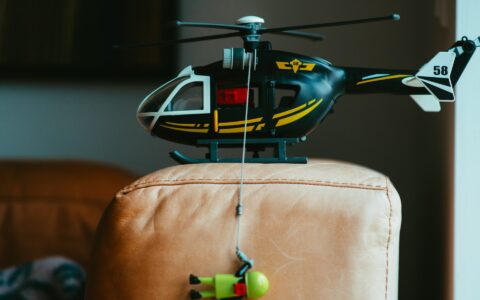
“Helicopter Rescue”, Courtesy of Markus Spiske, Unsplash.com, CC0 License


